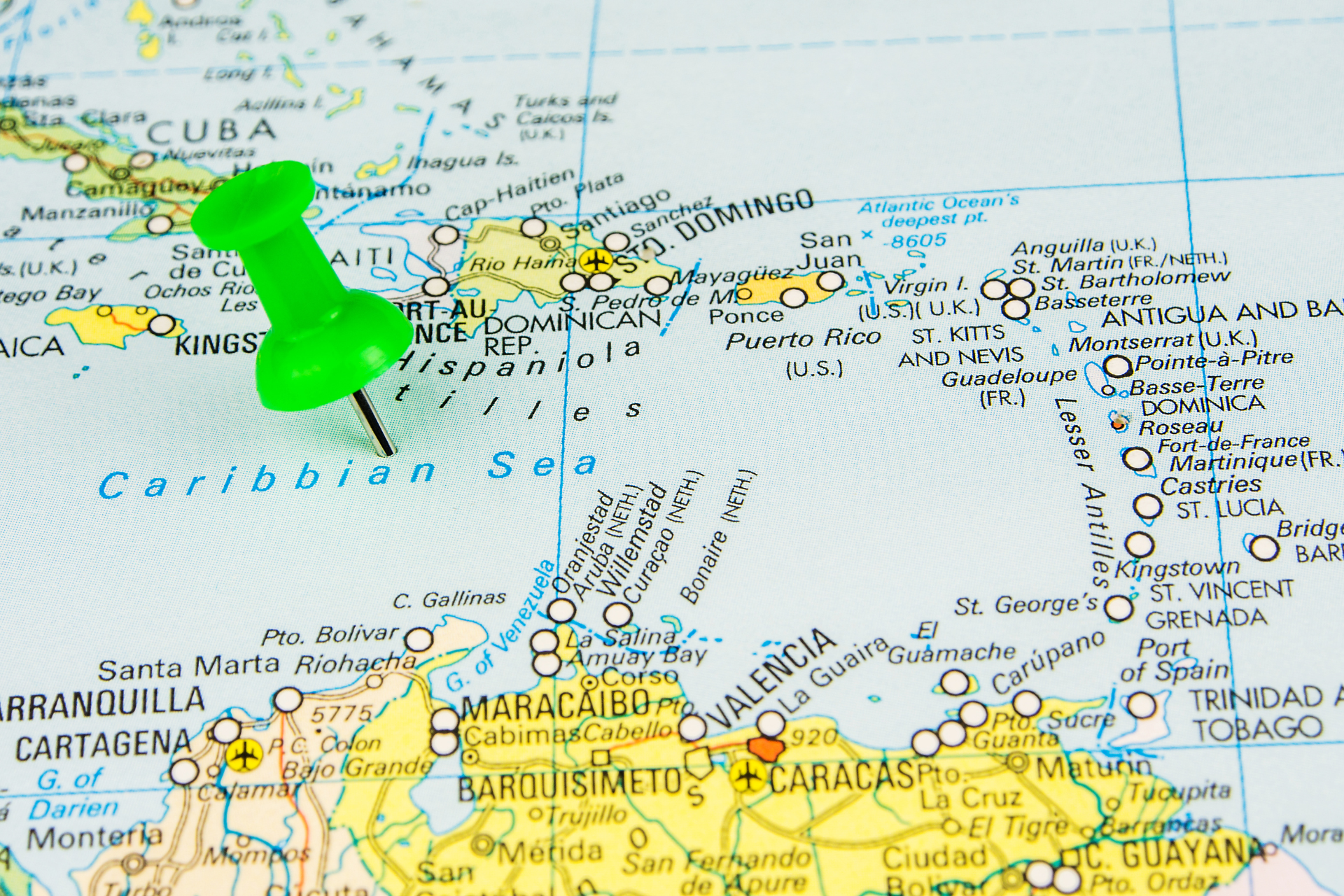
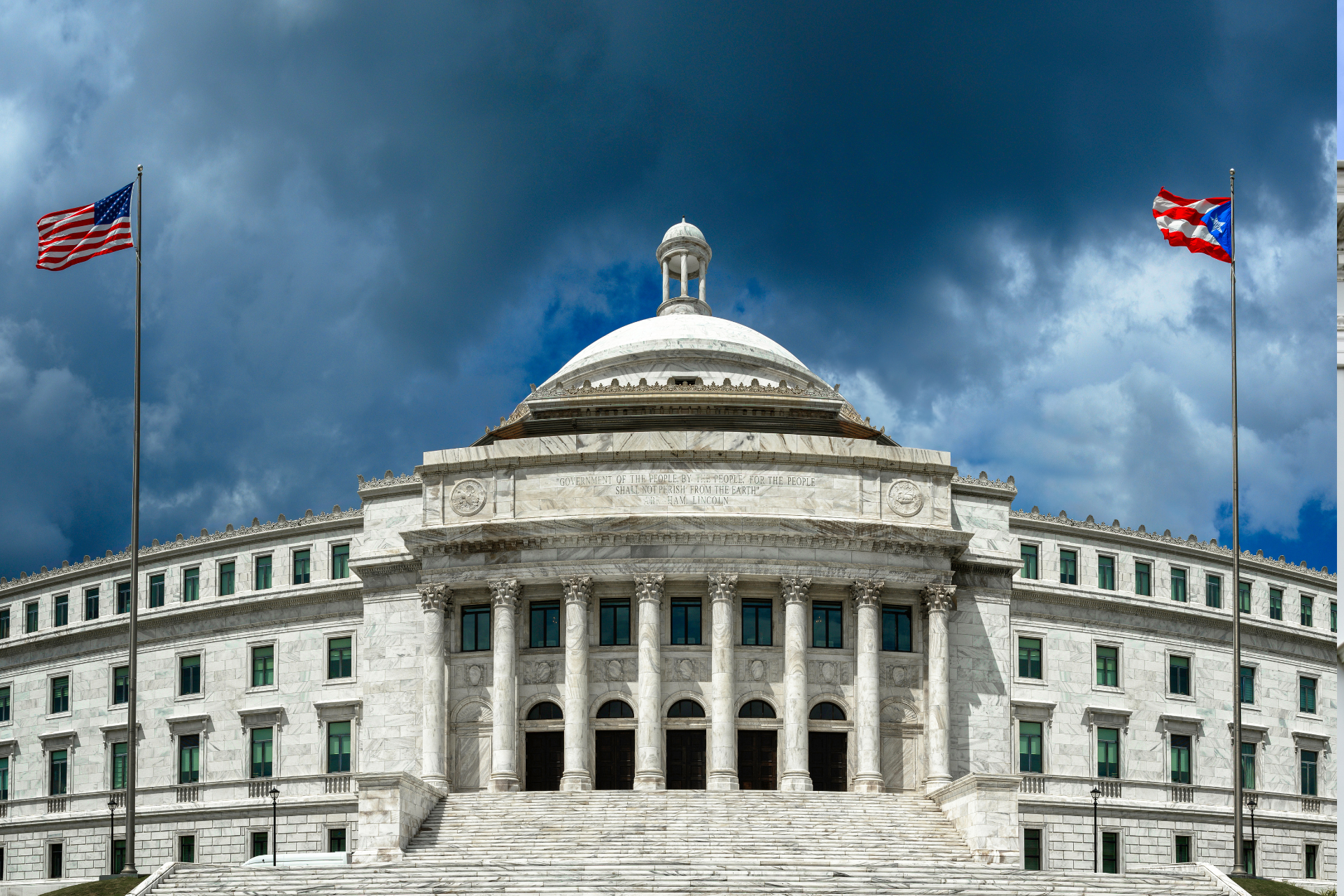
In general, Puerto Rico’s economy is stronger than those of its neighboring island countries, but this year, the International Monetary Fund is predicting negative growth for the Island’s GDP in spite of growth elsewhere in the region.
The GDP in Puerto Rico has been volatile through the century, with a drop of 4.2% in 2020 followed by a rise of 3.6% in 2021. The IMF expects the GDP to recover next year to 2024 levels.

Optimism
Against these warnings, the New York Fed wrote, “After nearly two decades of economic decline—punctuated by bankruptcy and debt restructuring, population loss, and a series of devastating natural disasters—Puerto Rico’s economy appears to have experienced a significant turnaround.” Tourism is having a boom year, outmigration from the Island is slowing, and entrepreneurship is increasing and getting support from the territorial government and the communities.
“Puerto Rico is in a vastly different economic position than just a few years ago,” the article from the Fed continued. “While challenges remain and uncertainty exists, the Island is in a strong position to build on its recent successes.”
What does it mean?
The Financial Oversight and Management Board (FOMB) held an Economic Forecasting Symposium on May 21, 2025, where they looked at forecasts ranging from the IMF’s to Moody’s +0.4% and the Planning Board’s 1.2%, and gathered insights into the meaning of these numbers.
One concern raised was that Puerto Rico is too dependent on federal funds, especially in the current political climate in which those funds are threatened. In addition, some U.S. funds already allocated for disaster recovery may not be disbursed and cutbacks in programs including Medicaid and nutrition assistance may occur.
Unemployment has fallen, with jobs increasing in hospitality and construction. New efforts to encourage increased manufacturing are being undertaken in Puerto Rico, but 46% of the 2025 budget is based on federal funds.
Economist José Caraballo Cueto, quoted in the News Journal, said, “That’s the difference between having a production-based economic growth model, which is what the countries in the region have, versus Puerto Rico’s economic growth model, which is based on the injection of federal funds. While that can bring short-term economic growth, it’s very ephemeral and unstable.”
Panelists at the Symposium also pointed to the general instability of the U.S. economy at the moment, the effects of income inequality on the Island, and the possible ripple effects of changing tariff policies.