Gentrification, the process of high-income people moving into traditionally low-income neighborhoods and fixing up the properties they buy, has a lot in common with colonialism.
The new residents come from other places and bring investments to the area they enter. They buy properties and renovate them, provide a market for new businesses, encourage and sometimes pay for improvements in infrastructure, and bring new people and energy into the area, building community as well as growing the tax base. One result can be improvements in the look of a neighborhood, an improved standard of living for at least some of the people, and new economic opportunities in the form of new jobs.
On the other hand, gentrification can also lead to higher property values, higher rents, and an overall higher cost of living, pushing the previous residents out of the neighborhood by pricing them out. In Puerto Rico, where Act 60 encourages wealthy people to buy property in Puerto Rico but doesn’t require actual year-round residence, some of the properties the newcomers buy also serve as short-term rentals — AirBnB properties for tourists rather than affordable housing for full-time residents.
Full-time residents have fewer options when it comes to rental homes or buying a place to live. New jobs may open up in gentrified neighborhoods, but often the people who take those jobs cannot afford to live near their new workplaces. New businesses may open in the newly affluent neighborhoods, but the small mom-and-pop businesses may not be able to compete with the more upscale offerings, and may have to close. The communities may fragment.
As property values rise and the cost of living does the same, the long-time owners of properties in the neighborhood may feel pressure to sell their places. New residents may not respect the local community or be conscious of the environmental effects of their new developments. Gentrified neighborhoods may eventually consist only of short-term rentals and tourist-oriented businesses, leaving no room for the original inhabitants.
Rejecting gentrification
Colonies may initially benefit from a colonial relationship in terms of infrastructure or economic opportunity. Once the disadvantages of being a colony outweigh the benefits, the colonies are likely to strive for independence or a more equal relationship with the colonial power, such as statehood. Obviously this kind of change in political status is not quick or easy.
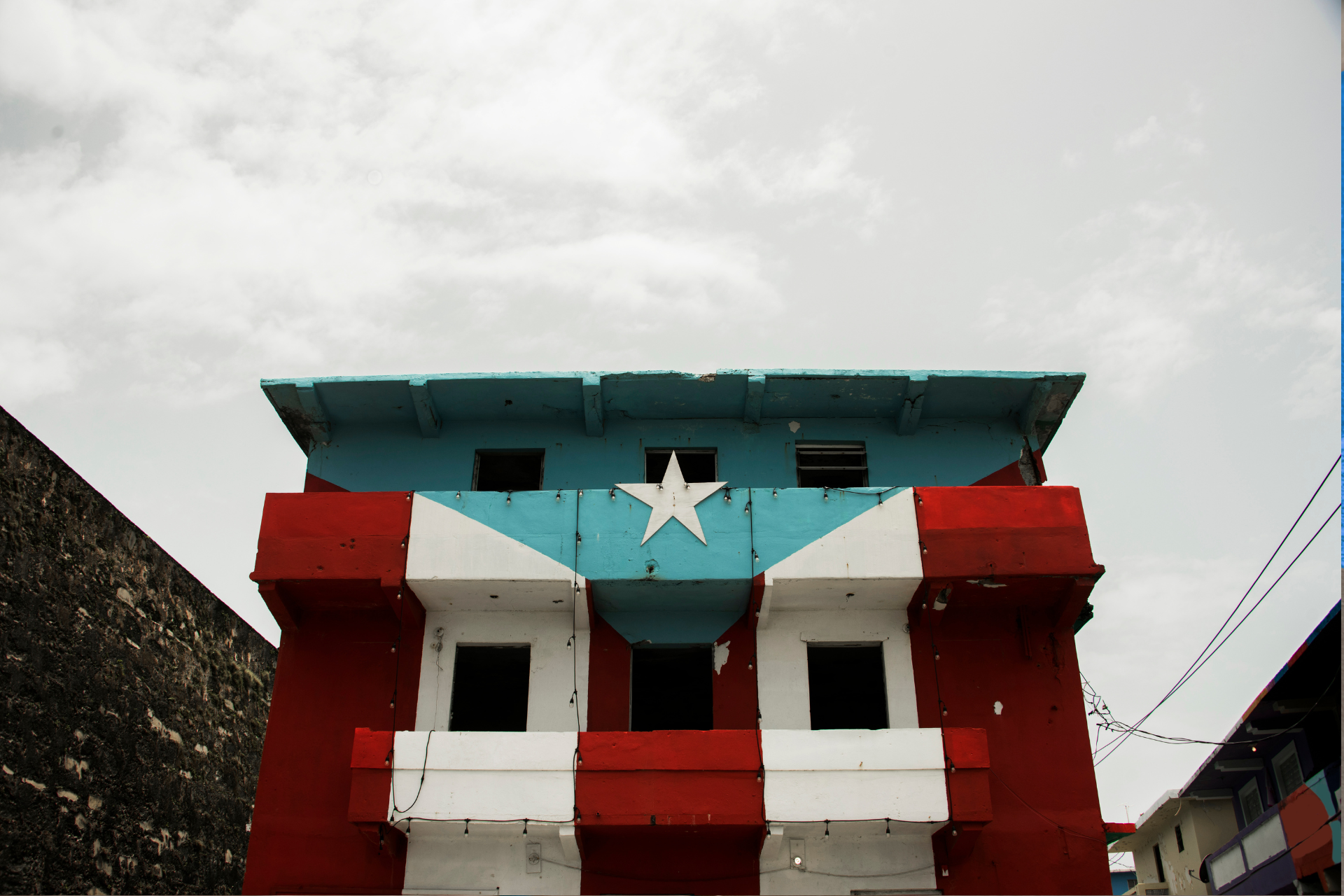
But rejecting gentrification can be impossible. Locals can make incomers feel unwelcome, but market forces can still prevail: if the incomers are offering high prices and the current owners are willing to accept their money, the process of gentrification is hard to stop. Resistance through art or protests may make local feelings clear, but the gentrified neighborhoods can become sufficiently insulated that they are not particularly affected.
Concern for the future
Puerto Rico has a dwindling, aging population. With one of the lowest birth rates in the country and the lowest work participation in the United States, Puerto Rico’s future is facing hurdles. Gentrification under Act 60 is the result of flooding the housing market in certain areas, but overall Act 60 is not raising revenue insideof Puerto Rico or creating the industry the law’s proponents hoped for.
Tourism is increasing on the Island, but the jobs brought by tourism — primarily in the hospitality industry — are often not well paid, desirable jobs. Short-term rentals with temporary residents who don’t have meaningful ties to the community don’t develop into strong neighborhoods. Gentrification’s disadvantages may already outweigh the advantages.