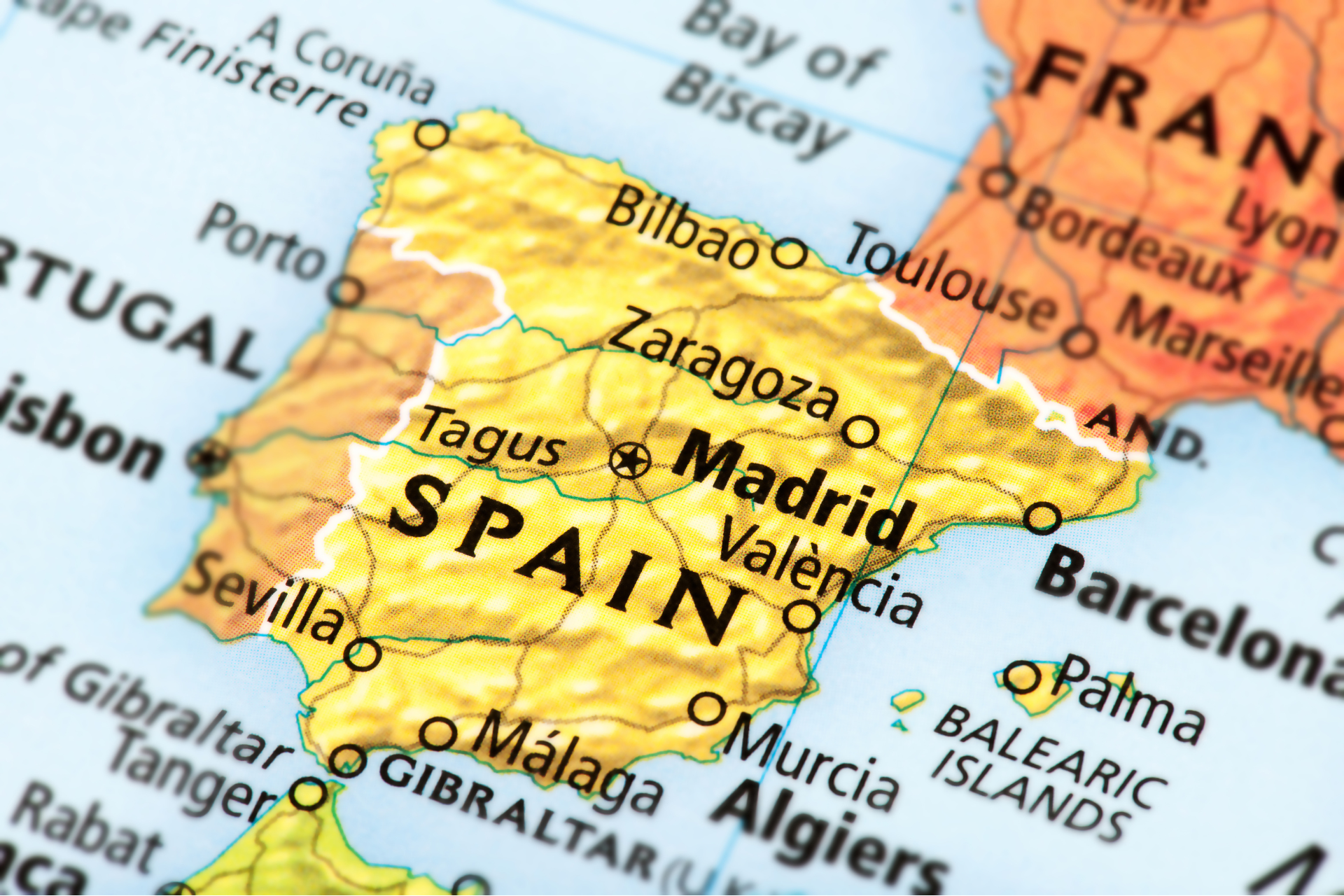
Although Puerto Rico’s population has been decreasing, there are people who continue to move to the island from the fifty states, drawn to the beautiful beaches, proximity to loved ones, or perhaps the preferential tax treatment. As the U.S. territory gears up for its November plebiscite, the question arises: How would Puerto Rican independence impact U.S. citizens born in the states who move to the new nation?
U.S. citizenship
Anyone born in a state is a birthright citizen of the United States. While some countries take away the citizenship of someone who becomes a citizen of another nation, the United States allows dual citizenship. If a person born in Florida becomes a citizen of the new Republic of Puerto Rico and Puerto Rico does not require them to give up their U.S. citizenship in order to become a citizen of Puerto Rico, that Floridian could become a naturalized citizen of Puerto Rico while also remaining a birthright citizen of the United States.
Unlike Puerto Rico’s U.S. citizenship, which is statutory, anyone born in a state of the United States gets Constitutionally protected U.S. citizenship. People can take their U.S. citizenship to Puerto Rico and keep it unless a new nation of Puerto Rico prohits dual citizenship and requires new Puerto Rican citizens to give up their U.S. citizenship. In that case, the U.S. born residents of Puerto Rico would have to make a choice.
Puerto Rican citizenship
The definitions of both independence and free association in The Puerto Rico Status Act specify that the new nation of Puerto Rico will decide its laws on Puerto Rican citizenship. A new nation of Puerto Rico could prohibit dual citizenship and require its new citizens to decide between U.S. citizenship and Puerto Rican citizenship. The new country could also decide that everyone born in Puerto Rico is automatically eligible to be a citizen of Puerto Rico, regardless of where they live at the time of independence. Alternatively, the new country could decide that everyone living on the Island when independence is declared is automatically eligible to become a citizen, regardless of where they were born.
The new nation of Puerto Rico could make any laws it chooses, and voters will not be able to know with certainty what those laws will be until after the Puerto Rico legislature passes them – well after the plebiscite is held in November.
Rights and privileges
One U.S. territory has already become an independent nation: the Philippines. The 1935 Constitution of the Philippines limited land ownership to native Filipinos, as other Pacific nations and territories have done. The Philippines Constitution also included limitations on access to natural resources by non-Filipinos.
However, the United States persuaded the Philippines to change this. Arguing that the new nation of the Philippines would need American investment, the U.S. made most of the financial help it promised at the time contingent on the American Parity Amendment, which gave equal rights to U.S. citizens in a number of areas and allowed American companies to invest more freely in the Philippines. However, it also raised concerns about exploitation of resources and limited opportunities for Filipino businesses. It had a sunset clause and ended in 1974.
From 1935 to 1946, while the Philippines were still a territory of the U.S., the law said, “Citizens and corporations of the United States shall enjoy in the Commonwealth of the Philippine Islands all the civil rights of [Filipino] citizens and corporations.” From 1946 to 1974, the law was changed to permit U.S. citizens the “disposition, exploitation, development, and utilization” of a full range of natural resources in the Philippines, as well as the operation of public utilities and U.S.-owned/operated business enterprises.
A new nation of Puerto Rico could, in the same way, protect the rights and privileges of individuals born in the states and living in Puerto Rico, but there are no guarantees. Such rights could also become curtailed.
Immigration
A new nation of Puerto Rico could impose visa requirements on non-Puerto Rican citizens, limiting their length of stay and imposing other restrictions, just as the U.S. has visa requirements on non-U.S. citizens today.
Taxation
U.S. citizens living outside of the United States are required to file income taxes in the United States, and may be required to pay taxes on income earned in other countries as well. In addition, there are special tax deals available today to people who move from a state to Puerto Rico. These benefits could disappear if Puerto Rico were to become an independent nation.