Three out of the four members of the Hawaii delegation in Congress have signed on as cosponsors for the Puerto Rico Status Act. In the House of Representatives, both Rep. Ed Case (D-HI) and Rep. Jill Takoda (D-HI) are on the bill. In the Senate, Sen. Brian Schatz (D-HI) explained at the bill’s introduction that “one of the most important principles in policymaking…is ‘nothing about me, without me.’” For too long, the Senator pointed out, the U.S. government had done things “about” Puerto Rico without providing the people of Puerto Rico with “a path to change that.” The new Senate proposal, he explained, would provide that path.
Why would an Island in the Caribbean get that kind of support from an island in the Pacific? Hawaii and Puerto Rico have a lot in common and a long history together.
We often see that legislators who have a larger proportion of Puerto Rican constituents are more supportive of Puerto Rico. Legislators’ most important job is to represent their constituents, and if their voters include many people of Puerto Rican heritage, we would expect their representatives to be more aware of the territory. Hawaii is home to about 48,406 Puerto Ricans — that’s 3.4% of the total population.
All about the sugar
Puerto Rico currently imports its sugar, mostly from Laos. There was a time, though, when Puerto Rico was the center of the nation’s sugar supply. In 1899, two hurricanes hit the Island and left many experienced sugar industry workers unemployed. At about the same time, Hawaii became a U.S. territory like Puerto Rico. Workers from Puerto Rico were able to travel freely to Hawaii, and the Hawaiian Sugar Planters’ Association there was glad to have them.
Records of these travels were sketchy, since the newcomers from Puerto Rico were not foreigners who required visas, nor citizens who would have shown up on the voters rolls. Names often took on Portuguese spellings and intermarriage with other groups in Hawaii’s multicultural population was common. However, there were official “shipments” of laborers from Puerto Rico to Hawaii at the turn of the 20th century in commercial and government agreements that sound odd to us now. The Sugar Planters’ Association ordered thousands of workers who were transported in 11 different shipments to the Hawaiian islands.
Unlike workers who moved to the Northeastern states, Puerto Rican farmworkers in Hawaii did not have the option of returning home for the winter, and the climate did not demand this kind of migration. Puerto Ricans stayed permanently in Hawaii. By the 1930s, Puerto Rican social clubs, cultural associations, and baseball leagues were well established.
Struggle for statehood
Hawaii had a long struggle for statehood. Not only did the multiethnic population have to deal with the racial attitudes of the time, there was also a generalized fear of communism. Some on the mainland worried that Hawaii would be strongly influenced by Communist interests in the Pacific.
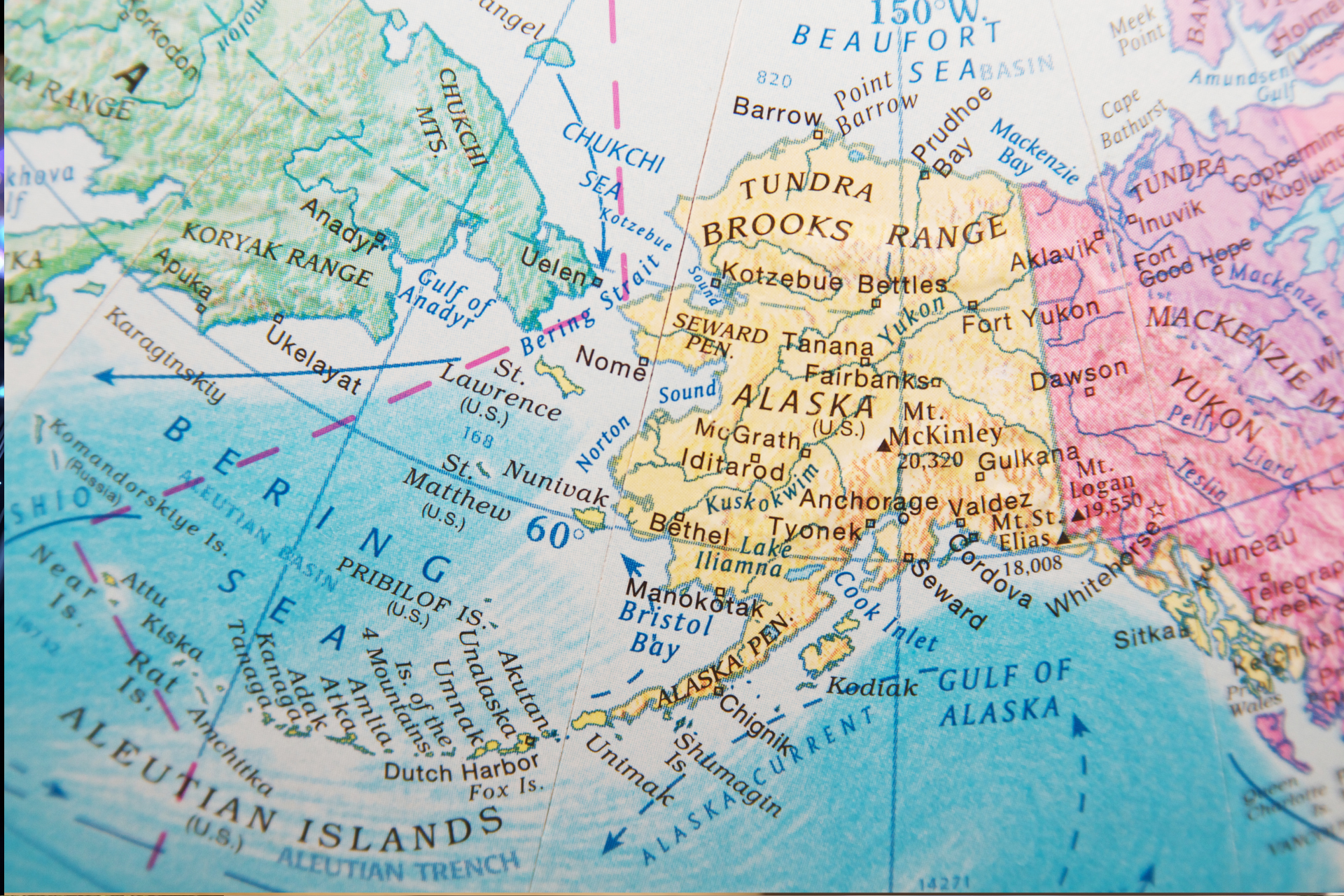
Hawaii gained admission in 1959 — within living memory. Daniel K. Inouye, senator for Hawaii from 1963 to 2012, was born in the Territory of Hawaii. Only the most recent legislators were born after statehood. Like representatives from Alaska, the legislators from Hawaii knew what it was like to live under territory status. Naturally, most have supported statehood for Puerto Rico.
Rich cultural mix
Hawaii is known for the rich multicultural influences on the local culture. Puerto Rico is one of the threads in the tapestry.