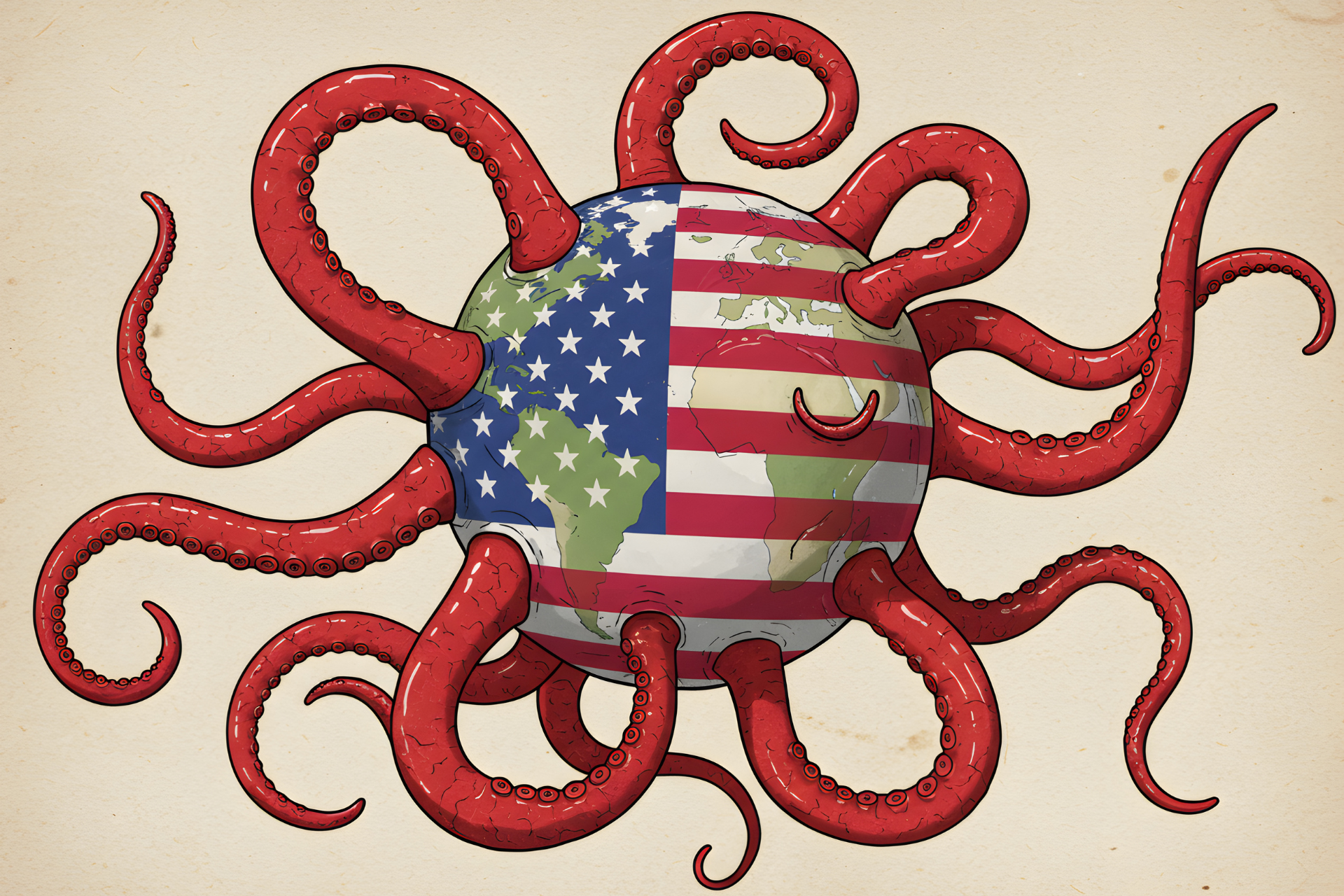
A hoax once claimed that Puerto Rico costs the United States government $617 billion each year. In fact, the federal government provides about $27.8 billion in benefits to Puerto Rico per year. That includes about $10.5 billion in Social Security (as Puerto Ricans pay Social Security taxes), $9.4 billion in health care funding, $2 billion in nutrition assistance, approximately $2 billion in disaster assistance, $2.4 billion in education funding, and $1.5 in veterans’ benefits.
In terms of net cost to the federal government, Puerto Rico costs about $10,000 per person. North Dakota, on the other hand, costs about $81,000 per person. Comparing a state with similar population to Puerto Rico’s, we see that Iowa receives $13.9 billion for Social Security, $6.4 billion for health care, $2.2 billion for nutrition assistance, $1.9 billion in disaster assistance, $1.1 billion for education, and $1.43 for veterans’ benefits. This comes to $26.93 billion. Given that the numbers vary from year to year, we can say that Iowa and Puerto Rico receive about the same amount of funding for federal benefits.
Social Security
Residents of Puerto Rico pay Social Security taxes just as stateside residents do, and receive related benefits. Puerto Rico residents are eligible for retirement, disability, and survivors’ benefits at the same rates as people living in the states. The amounts depend on the individual’s earnings history, not on their location.
Residents of Puerto Rico are not eligible for Supplemental Security Income, a program under Social Security which helps needy disabled and elderly people.
Medicaid and Medicare
Residents of Puerto Rico are eligible for Medicaid and Medicare. Puerto Ricans pay the same Medicare taxes as their fellow Americans pay stateside.
Medicaid in Puerto Rico is reimbursed at a lower rate than in the states, and does not cover as many services. The federal government provides a predetermined, capped amount of money to the territory, regardless of the needs of the people. In states, the states provide the services and the federal government reimburses a certain percentage. In Puerto Rico, the total amount of money is set, and it is often much less than the residents need.
When the grant runs out, Puerto Rico must either pay for the rest of the people’s needs without federal assistance (a primary cause of Puerto Rico’s debt in the past) or just stop paying for health care. This had led to a healthcare crisis in Puerto Rico, and continues to prevent doctors from practicing on the Island when they can easily go to a state and set up a successful practice there.
Since Medicare is primarily age-based, Puerto Rico’s aging population does increase the number of people covered, but the program is slightly different. There is a low-income subsidy for prescription drugs available in the states but not in Puerto Rico, and there are differences in Medicare Advantage (managed care) plans. Far more people in Puerto Rico use Medicare Advantage plans, which are underfunded.
Nutrition Assistance
Like healthcare funding, nutrition assistance funding in Puerto Rico comes in the form of a capped grant. When the money is gone, no more funds are available. States have flexibility, since they are reimbursed for all their expenditures. States are also reimbursed at a higher rate than Puerto Rico. As a result, families in Puerto Rico must earn less in order to qualify for food stamps, and they receive less nutrition assistance each month. Since food prices are higher in Puerto Rico than in states, needy people on the Island simply have a higher rate of food insecurity than in the states.
Veterans benefits
Puerto Rico sends a higher proportion of sons and daughters into the U.S. military than nearly all the states, but the benefits veterans receive are not equivalent to those in the states. Overall, there are fewer available veterans benefits. Puerto Rico’s veterans are eligible for national benefits, such as disability compensation and medical care, but states usually offer additional benefits. Puerto Rico offers to discounts to national parks and some education benefits.
There is only one VA hospital in Puerto Rico, too, so access to health care is more of an issue for Puerto Rico’s veterans. It is not uncommon to hear of veterans leaving the Island to live in a state in order to have access to the healthcare they need.
It’s a myth
Puerto Rico’s federal benefits are not equal to those provided to states. Nor is Puerto Rico receiving more funds than states receive. Yet myths continue to persistent.