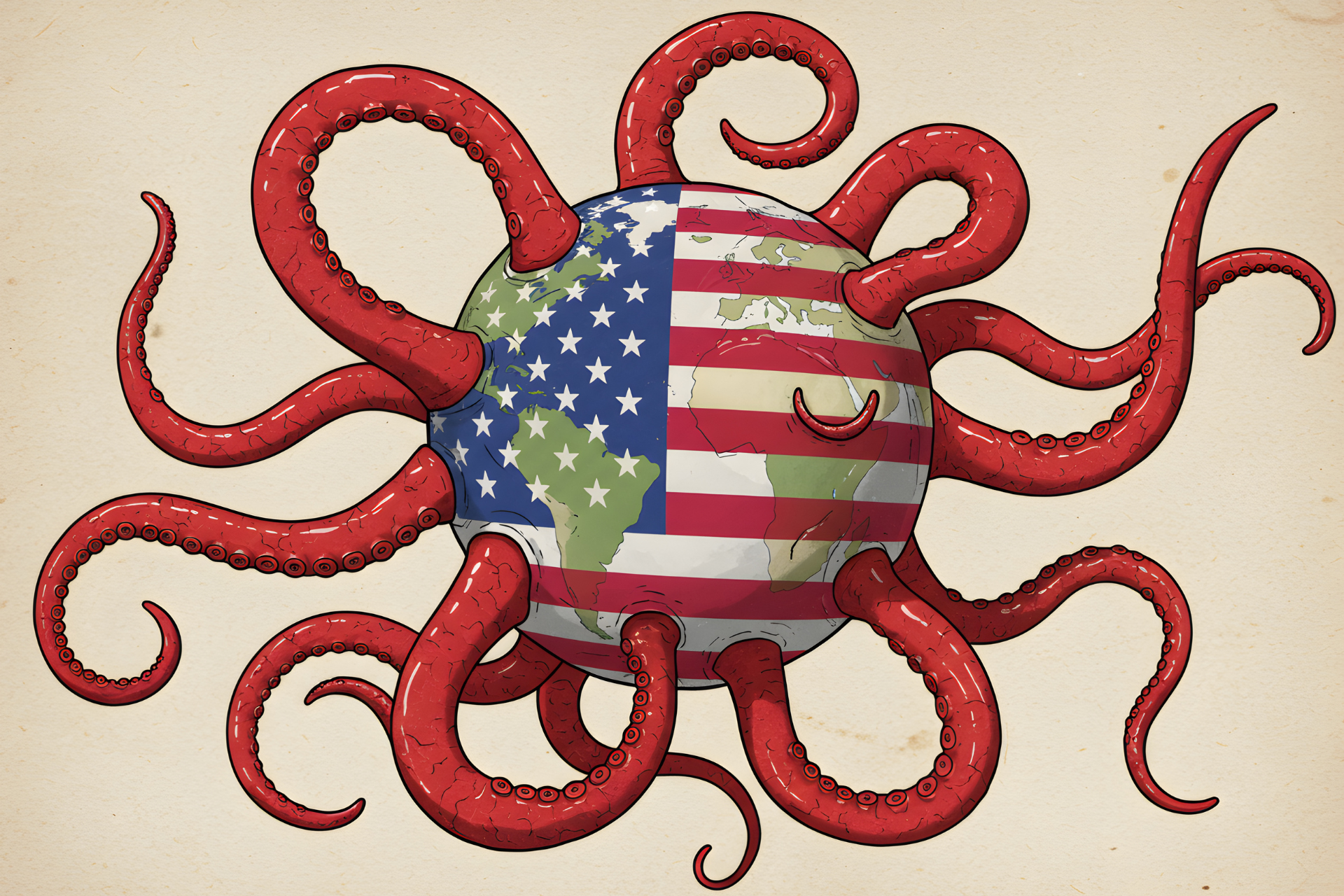
In 1899, following the Spanish-American War, the peace treaty between Spain and the United States passed several territories from Spain to the United States. Puerto Rico was one of them. U.S. newspapers celebrated the addition of “Porto Rico” to the United States and wrote about “our new lands” with excitement.
U.S. public attitudes to the Spanish-American War
The American people had seized on slogans like “Remember the Maine! To hell with Spain!” and encouraged President McKinley, who was hesitant about going to war, to take the plunge. Describing the goal of the conflict as the liberation of Cuba from Spain, Congress declared war on Spain. The war was a chance for Americans to join together against a common enemy after the Civil War, and to reject the old European colonial ways.

The U.S. victory was widely celebrated in the U.S., and people were excited to add new territories, an event which showed that the United States could be a global player. At the same time, there were Americans, including Mark Twain among others, who were dismayed to see their nation participating in the same sort of imperialism they had deplored in the European nations. The U.S. takeover of Spanish colonies in the Caribbean was, however, presented by the U.S. government as the liberation of people who had been oppressed by their Old World masters.

U.S. responses to threats toward Greenland
Now, more than a century later, the U.S. once again appears to have an expansionist in the White House, but the attitudes of the American people are quite different. President Trump has expressed a determination to own Greenland, which currently is part of Denmark, but the American people are not behind him. Current political cartoons on the subject show the difference in modern attitudes. News outlets, including those favorable to Trump, are forthright in their reporting on the objections Greenland has, as well as the shock and dismay among U.S. allies in Europe.

Social media is rife with outraged responses from Americans. Bipartisan bills in Congress forbid the use of force against Greenland or Denmark, and Trump has backed down on threats to do so. Congress has also said that they will not approve funds for the purchase of Greenland from Denmark, another option Trump has proposed.
While McKinley faced pressure to liberate Spain’s possessions, Trump faces pressure not to aggress on Denmark’s territory. Times have changed.
The relics of the old way
After World War II, international law forbade the use of conquest or economic force to interfere with the sovereignty of any nation. Since that time, most of the countries in the world have gone along with that idea. However, that enormous change in attitudes left a question: what about the historic remnants of the old days of expansion by conquest? Many modern countries’ borders have been set by wars, invasions, or claims made by explorers. It would be nearly impossible to prove the identity of the original owners of most nations.
Greenland is a case in point. Scandinavian historians say that Greenland was uninhabited when Vikings first reached it, and the archaeological evidence shows that there was a gap between the paleolithic people who first settled there and the Inuit, who arrived a few centuries after the Vikings, but there is uncertainty on the question. However, the Kingdom of Denmark did not yet exist when those Vikings sailed to Greeenland, so their arrival couldn’t support a claim that Denmark was the original owner. Most countries would have even more complicated situations to figure out.
In light of this ambiguity, modern nations agreed to accept the borders as they were set at the time. No effort would be made to undo previous seizures of land — but no more seizures would be allowed after 1945.
This history suggests that the United States can hold onto Puerto Rico and the other former Spanish territories. Yet most of the world’s countries gave up their colonies in the years following World War II. Some, like Guadeloupe, became states of their former owners with full participation. Many became independent nations. Keeping Puerto Rico as a territory with U.S. citizenship but without full representation in the federal government is out of step with the modern principles that are causing outrage over Trump’s bid for Greenland.