At a hearing of the House Natural Resources Committee in 2023, members of Congress discussed the threats to U.S. national security arising from China’s involvement in the Pacific with the countries that have signed compacts of free association (COFAs) with the United States. This is the relationship that has received increased attention in recent years in conversations concerning Puerto Rico’s status, so the discussions in the hearing may hold lessons for Puerto Rico.
The COFA nations, or freely associated states (FAS), consist of three independent nations: the Federated States of Micronesia, the Republic of the Marshall Islands, and Palau.
COFA equality with green card holders
Emil Friberg, formerly of the Government Accountability Office (GAO), proposed four ways to engage the Pacific COFA nations more strongly in the rising competition with China.
“Improve COFA migrant status to equal that of green card holders,” he suggested. “Today, the status is unequal and sometimes confusing. Providing COFA migrants with the equivalent of permanent resident or green card status would treat COFA migrants as equal to other lawful, permanent residents with respect to Federal program eligibility, and provide a pathway for naturalization.”
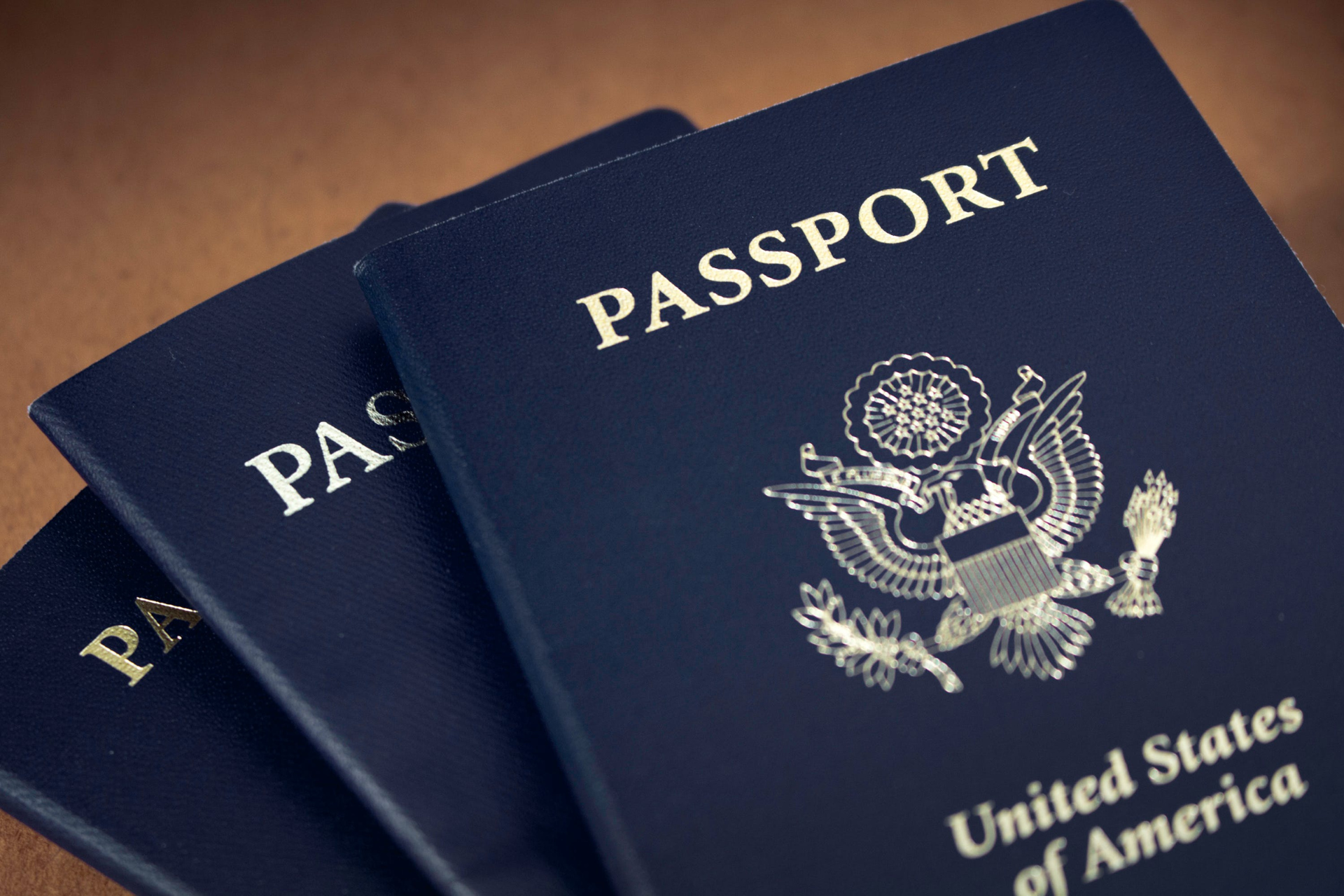
Green card holders are individuals from other countries who have permanent resident status. They are not U.S. citizens but are allowed to live, study, and work in the United States indefinitely. COFA nation citizens also have this privilege. However, green card holders also have a path to U.S. citizenship, which COFA citizens do not.
Another witness, Peter Watson of the Dwight Group, made the same point, saying, “Compact citizens living in the US face challenges green-card holders do not face. A pathway to citizenship afforded to immigrants from non-Compact nations is not afforded to Compact immigrants.”
Naturalization for COFA citizens
Citizens of nations with compacts of free association can become naturalized U.S. citizens. The amount of time they live in the states as legal non-immigrants from the FAS does not make a difference in the process. They must apply for an Adjustment of Status, requesting a green card on the basis either of a job or of a family relationship with a U.S. citizen.
For example, a Marshallese couple who have lived the United States for years and have children born in a state could apply for green cards on the basis of their family relationship with their U.S. citizen children, who could sponsor them for permanent residence.
Once they receive permanent resident status, they must wait for five years before they can apply for U.S. citizenship.
Lessons for Puerto Rico
Not only are the residents of Freely Associated States not U.S. citizens, but they do not automatically have the path to US citizenship that Green Card holders have. Experts have testified before Congress that this benefit would be helpful to COFA migrants. Yet when Congress renewed the compacts with the FAS last year, it rejected the recommendation to provide easier access to U.S. citizenship for COFA migrants.
Proponents of a freely associated nation of Puerto Rico have claimed that the new arrangement would include easy access to U.S. citizenship, but the reality of the current FAS does not support this claim.