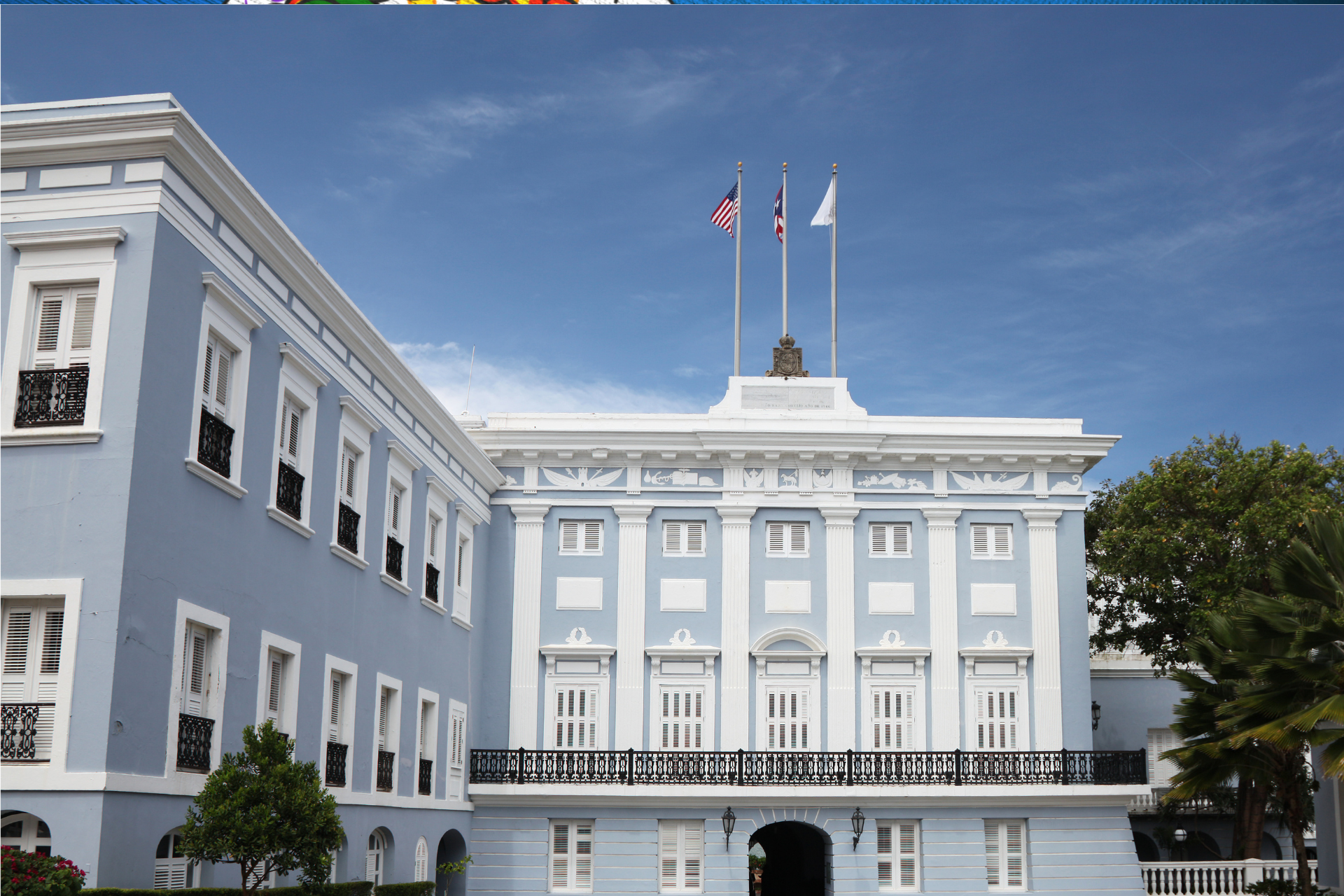
More than three million U.S. citizens live in Puerto Rico. Most were born in Puerto Rico and have birthright U.S. citizenship for that reason. Many more were born in a state, and also have birthright citizenship. Some are naturalized U.S. citizens. Regardless of the way they obtained their citizenship, they all have one thing in common: they cannot vote in presidential elections. The president of the United States is also the President of Puerto Rico. So why can’t Puerto Ricans vote for their president?
Puerto Ricans can vote for president — Puerto Rico can’t
People who were born in Puerto Rico but move to a state can vote in presidential elections. People born in a state who move to Puerto Rico cannot. So it is not that Puerto Ricans can’t vote in these elections, but that the territory of Puerto Rico — and the rest of the U.S. territories — cannot. This is because the United States doesn’t have direct democracy, where all the citizens vote for the president of their country. Instead, we have a system in which each state votes for its group choice of presidential candidates, and the state’s Electors go and vote for the president on behalf of the people of the state. Normally, they vote for the candidate who got the majority of votes in their states.
Essentially, the people don’t elect the president; the states do. As long as Puerto Rico is not a state, Puerto Rico will not have any electors, and the people of Puerto Rico cannot vote in presidential elections.
Washington, D.C. is not a state, but its citizens can vote in presidential elections. This arrangement required a constitutional amendment. There have been attempts to provide a vote in presidential elections for the U.S. territories, including Puerto Rico. but so far there has been no success in these attempts.
Puerto Rico’s voice in the federal government
Not only does Puerto Rico have no vote in presidential elections, it also has no senators and no voting members in Congress. While the Island has a resident commissioner who can introduce bills and serve on committees, this official has no vote on laws, including laws that affect Puerto Rico. With no ability to vote for the president, senators, or voting Members of the House, Puerto Rico has a very small voice in American democracy.