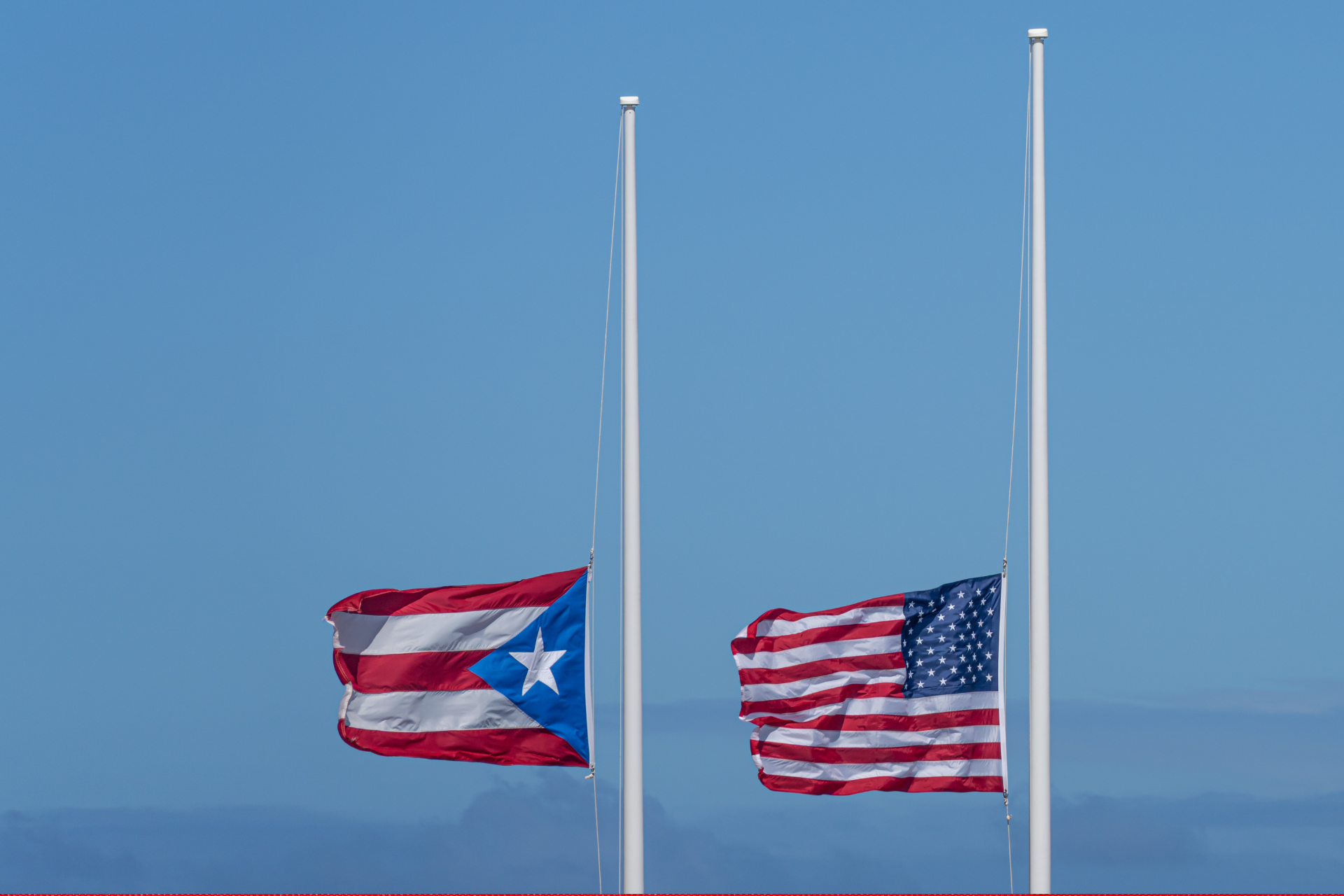
Alberta, a province of Canada, has been flirting with the idea of independence for a while. There has even been a small part of the population — about the same as the percentage of pro-independence voters in Puerto Rico — who have supported joining the United States as another state. In a formal referendum held in late October, however, the unity voters soundly defeated the option of exploring independence from Canada.
It’s important to note that this was not a yes/no vote on independence. The ballot asked voters to choose between remaining part of Canada and beginning a process that could lead to independence.
Why Alberta?
Alberta is in a similar position to Catalonia in that they are a rich section of their nation. Rather than thinking of independence as resistance to outside powers, people in this position often feel that they would be better off economically if they weren’t having to shore up their less affluent neighbors.
Alberta has oil, together with natural gas and the investment and businesses built around them. This makes it more prosperous, and more important for the nation’s overall GDP. Alberta’s is 28% higher than the national average, and the highest among the provinces.
However, the average income in Alberta is not 28% higher than the national average. It’s 13% higher than the national average. This can make people in Alberta feel that they are giving more than they are getting.
Alberta is also somewhat more conservative than the average. The Heritage Foundation calls Alberta “Canada’s Texas.” Texas is also the most independence-supporting part of the U.S., with far more independence supporters than Puerto Rico.
Then why didn’t voters choose independence?
75% of voters chose to remain part of Canada. 25% voted to look into the possibility of independence. This is more than twice as high a percentage as we have ever seen in a status vote in Puerto Rico, but it is still a small fraction compared with the large majority for unity.
Many of those who voted against remaining with Canada were just trying to make a point. “It is fair to say that at least a quarter of Albertans feel that Alberta needs to be treated better,” said one separatist spokesperson. Since there was no prospect of having the vote actually result in independence, voters could make that choice to express frustration with the current government.
Reality was probably a big factor. While Alberta might be rich enough to sustain independence–especially if, like Texas, they planned it as a step toward U.S. statehood — there are plenty of obstacles.
For one thing, Native American groups in Canada have been speaking out strongly about how independence for Alberta would interfere with their treaties with Canada. For another, the separatist movement has been tarnished by reports of U.S. influence. Sincere independence supporters have no desire to become a state, and Republican support of Alberta’s separatists makes a Texas plan seem likely.
There is also the enormous effort of becoming independent. Alberta is about the size of Texas. Taking on its own defense, law enforcement, and infrastructure support would be likely to create more inconvenience and discomfort than the current frustrations with the Canadian government.