What’s a benefits cliff? When a family relying on government benefits would lose enough in benefits that taking a job or a higher-paying job would result in a net loss rather than a gain, it’s called a benefits cliff. If a recipient earns just a little too much, they may even lose a significant portion of their benefits. That’s the cliff.
Here’s how it looks in Puerto Rico:
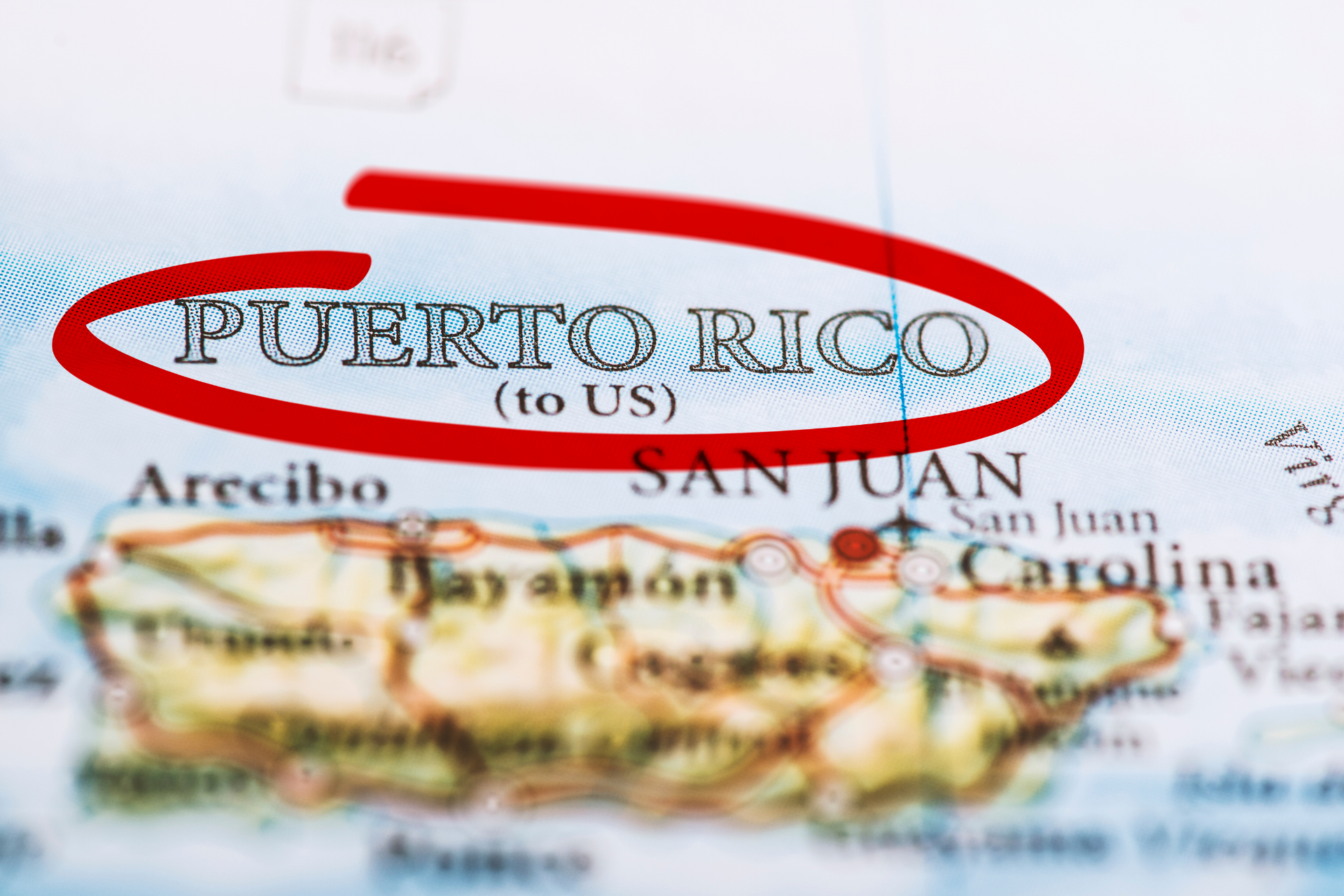
- The average household receives an average of $191 per month in NAP benefits. Many factors go into the actual total amount, so we will use that as a simple example.
- For a single person, the nutrition assistance benefits are cut off entirely if they earn $633, while a family of three could earn just $1,706.
- Since the cost of living is roughly the same in Puerto Rico as in the states and groceries are often more expensive, the cut-offs are very tight. It would be hard for a family earning $1,706 per month to meet their daily expenses without the $191 food stamp benefit.
- A couple with one child earning $1,600 would receive roughly the average food stamps benefit, bringing their available funds to $1,791. If the main breadwinner takes a new job that brings in an additional $100 per month, the household would lose $191. They would then have $1,700 — $91 less each month to spend on food.
Do states also have benefits cliffs?
Benefits cliffs can also happen in a state. It’s different, though. First, the limits and the benefits are both much higher. A family of three in Florida can earn $4,443 before losing all benefits. The average household benefit is $768.
What’s more, the loss of benefits is gradual. In Puerto Rico, the family earning $1,707 loses all benefits. In Florida, the benefit is gradually reduced. So a Floridian family that received a $100 raise would usually gain rather than lose.
A 2024 government study in the states found that people receiving benefits did hesitate to accept jobs if unemployed, or higher-paying jobs if unemployed, because taking the job would have a relatively inconsequential impact of their benefits. However, since SNAP functions differently from NAP, this hesitation tended to be strongest for people who would lose medical coverage as well as some food stamps and for people who would have to be able to afford child care in order to work. Other factors, such as fear that they might have trouble getting back on food stamps benefits if they were to lose the job, also played into the decision.
There is no reliable data on what percentage of SNAP recipients in the United States actually choose not to earn more in order to avoid benefits cliffs, but there is plenty of evidence that the problem exists. As political scientist Charles Murray pointed out, rejecting the opportunity to increase earnings would be a rational choice in this case.
The shadow economy
Puerto Rico not only has more severe benefits cliffs, it also has a stronger shadow economy. The two may be related. A shadow economy is the economic activity that takes place off the books — unofficially, without involving taxes or records. Examples can be babysitting for cash, helping out casually on a construction site, or landscaping.
In the states, the shadow economy is estimated at 5-8% of the total economy. In Puerto Rico, more than a third of all economic activity is thought to be within the shadow economy.
A Floridian needing extra income but worrying about benefits cliffs could cut friends’ hair for cash to earn pocket money. She probably would not believe that she was doing anything wrong, and she could earn an extra $100 a month without losing any benefits. This type of activity probably takes place, but it is not tracked or quantified.
In Puerto Rico, however, a survey by the Center for Economic Renewal, Growth and Excellence found that two thirds of the respondents reported earning money in the shadow economy to avoid losing NAP benefits. Again, the individuals taking part in this kind of activity see nothing wrong with it. When people who did occasional casual work and those with formal employment who had side gigs were included, the proportion rose to 89%.
The average monthly income of respondents was $1,504, a sum which they said was not enough to make ends meet.
“I knew this—[NAP] beneficiaries working in the informal economy—was an issue, but I didn’t realize the severity of the problem,” former governor Luis Fortuño told El Nuevo Dia. “The study shatters the myth that these people don’t want to work. It’s quite the opposite; they do want to work.”