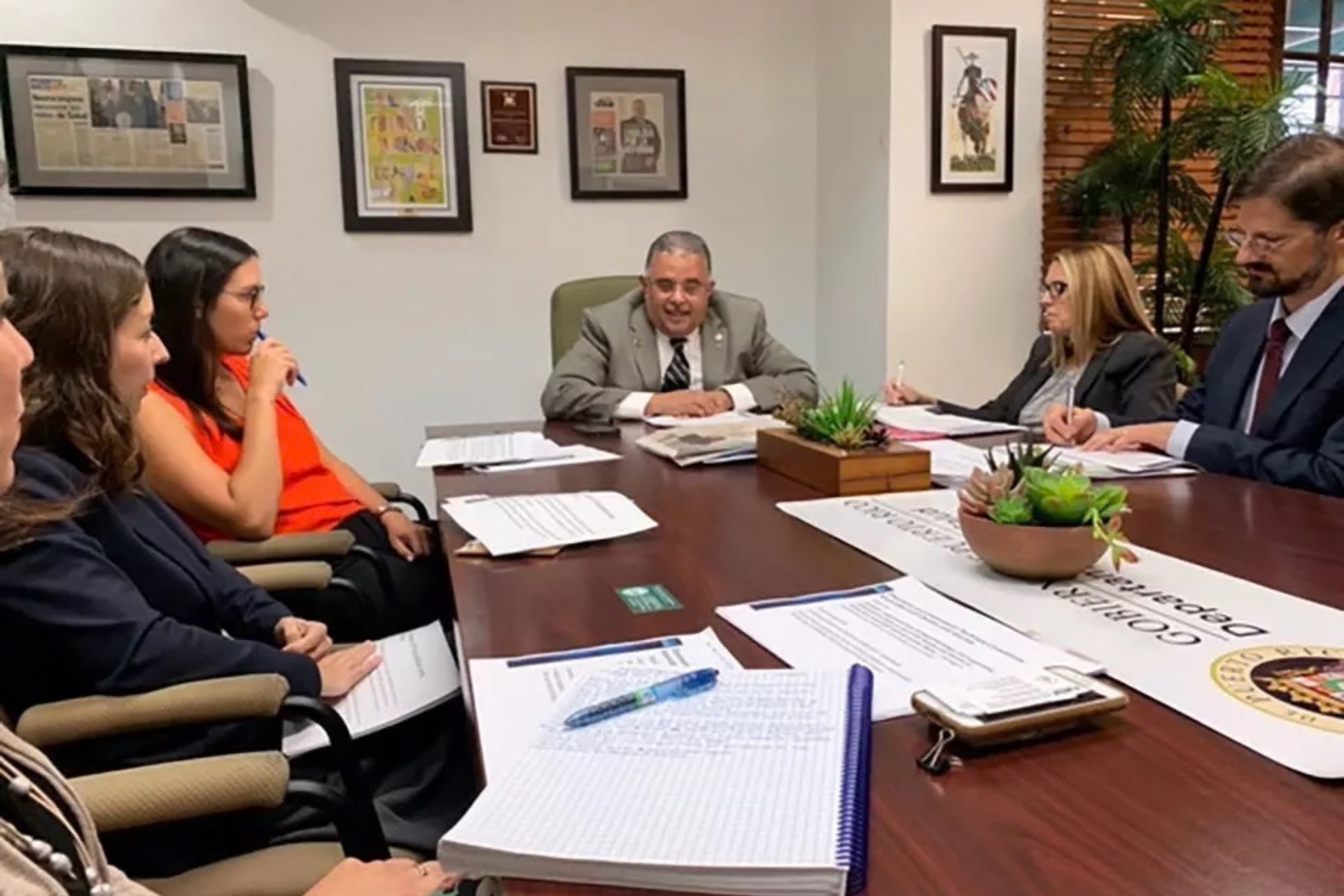
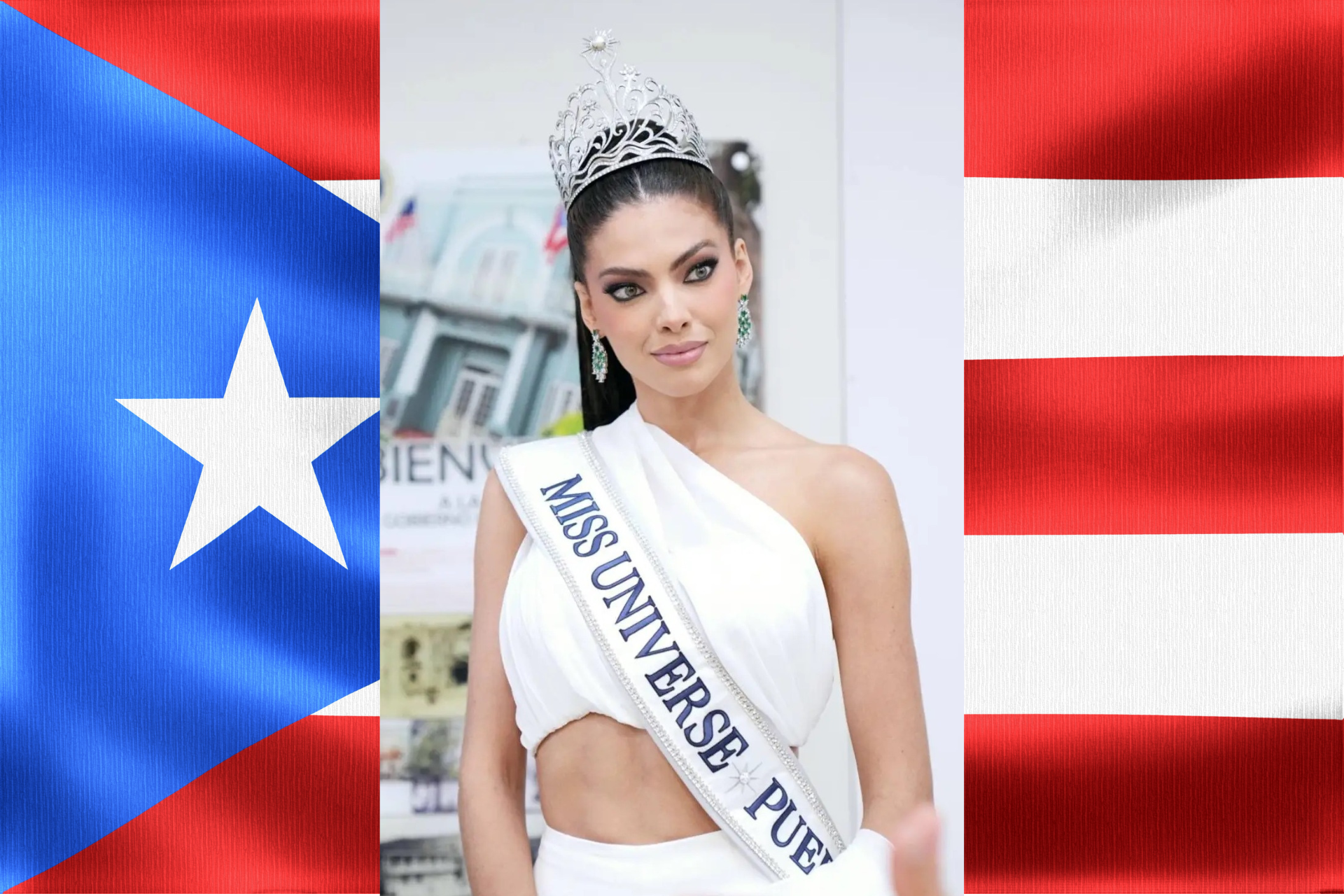
Rep. Nellie Pou (D-NJ) responded to questions about her upcoming race with a prediction that her constituents — who trended Republican in 2024 — will swing back to her Democratic ticket in the midterm elections.
Pou is one of roughly a dozen Democrats in the U.S. Congress who prevailed in the 2024 elections despite President Trump winning the top of the ticket in their districts. Pou won her 2024 election by roughly 5% of the vote; Trump also prevailed in her district by just over a percentage point.
Latino voters, particularly Puerto Rican voters, have surprised some observers in recent elections by voting more Republican than Democratic. Pou’s New Jersey district is only 6% Puerto Rican, although it is 45% Hispanic.
It’s the economy
“The rise in the cost of living has changed everything ,” Pou told El Nuevo Día. “Are you better off today than you were two years ago? The answer is no. You’re much worse off now. You have less money in your pockets because you gave it to the billionaires. So, people with fewer resources are paying for and enriching the billionaires. I’m talking to you about the cost of living. I’m also telling you what I do as a member of Congress so you’re aware of the difference between having someone who will fight for you and someone who will simply submit to this president and give him their unconditional support.”
Pou, whose parents were born in Puerto Rico, was born in New Jersey and has lived all her life in the district she represents. In the midterms, she is up against Republican Rosemary Pino, whose family is from Ecuador. Pou was the first Hispanic woman to be elected to Congress from New Jersey.
Her website lists her priorities as lowering costs, protecting healthcare, keeping communities safe, and fighting for veteran’s benefits. This mirrors the concerns Hispanic voters express in surveys. The economy, and especially affordability for basic needs, turn up as the top priority for Latino voters in one midterm poll after another. This is evident even in states that Republicans usually feel confident of winning, like Texas and Florida.
It’s not the party
For Puerto Rican voters in particular, party identity is often less important in voting decisions. Puerto Rico doesn’t focus on the national parties. Instead, the major parties on the Island are divided by their different solutions to Puerto Rico’s lack of a permanent political status. Since Puerto Ricans don’t grow up with emotional or family ties to blue or red parties, they often don’t start out with national party allegiance.
Independent Hispanic voters in the states show the same lack of loyalty to one or another national party. And many are ready to blame Republicans for the current economic challenges in the U.S. Since Republicans hold the power in the House, Senate, and White House, it’s hard to separate their policies from the negative views many Latino voters hold about the economy right now.
“We see it in the prices of food, gasoline, housing, education, and the reduction of so many vital programs and resources, such as access to SNAP (Supplemental Nutrition Assistance Program),” Pou said.
Predictions
Pou is not the only one predicting that she will hold her seat in November. The highly-regarded Cook Report lists her as the likely winner. The Economist has her at 99%. Gemini gives her a 93% edge, Prediction Edge offers 94%, and Pollsmax gives her a 94.4% chance.