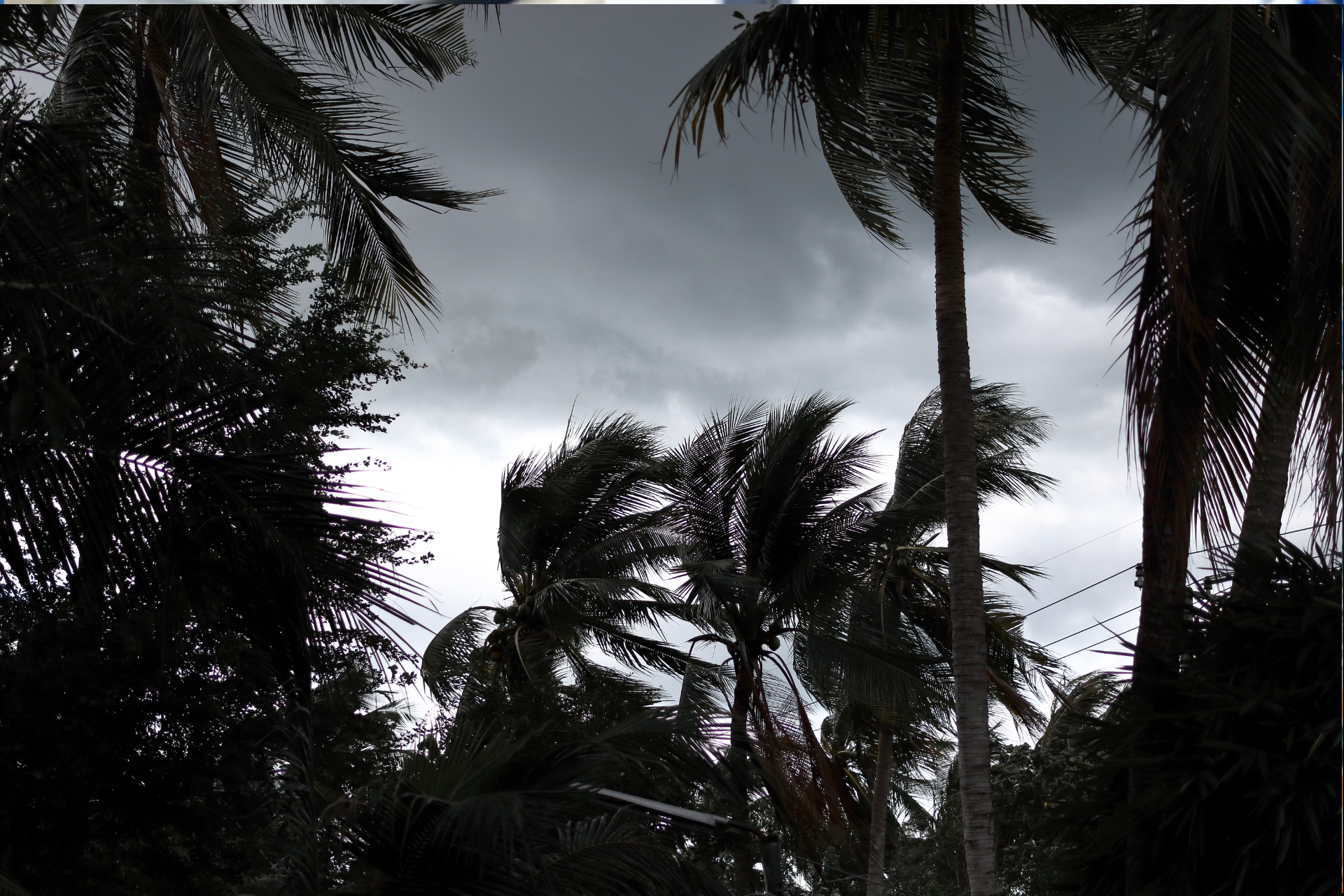
Hurricane Ernesto made landfall in Puerto Rico Wednesday, drenching the Island with rain and knocking out the electrical system, leaving over 700,000 people in Puerto Rico without electricity. This amounts to half the customers of LUMA, the Canadian consortium that took over Puerto Rico’s electric supply in 2021.
Puerto Ricans pay the second highest prices for electricity in the nation, just behind Hawaii. But while Hawaii is among the richest states in the U.S., Puerto Rico’s average income is lower than that of any state. Puerto Rico also has a history of unstable electrical infrastructure. Puerto Ricans pay more for worse outcomes when it comes to electricity, and most can ill afford it.
Hurricane Ernesto
Ernesto began as a tropical storm and grew into a hurricane as it moved across Puerto Rico toward Bermuda. Early reports from Puerto Rico say there were 10 minutes of rain and winds at 80 miles per hour. Roads flooded, roofs were torn from homes, and President Biden declared a U.S. federal emergency.
The consequences of global warming and population density already make Puerto Rico vulnerable to landslides and water contamination in the wake of flooding. Following Ernesto, a widespread lack of electric power creates even more problems.
Blackouts
The lack of electricity is no small problem. Without fans or air conditioning, extreme heat can cause health problems. In fact, heat is the most deadly weather phenomenon, killing more people than hurricanes in the U.S. every year. Keeping food safe to eat in tropical heat is another concern. With Puerto Rico’s high levels of chronic disease, electricity needed for oxygen supply systems, dialysis and other health requirements are also important on the Island.
People attempting to manage without electricity may rely on generators. The Federal Emergency Management Agency (FEMA) offers safety guidance for the use of home generators. FEMA also reminds Puerto Ricans of the dangers of downed power lines.
Why does Puerto Rico have such bad electric service?
Many years of underinvestment in a badly outdated electrical system left Puerto Rico vulnerable, and then Hurricane Maria in 2017 knocked out electricity for much of the Island for a year. LUMA took on the job of fixing the grid, but the bankrupt PREPA utility authority has been feuding with LUMA, a situation which many say is preventing the repairs needed.
LUMA, in turn, claims that it faces unanticipated obstacles, including a lack of qualified workers, demonstrations preventing its workers from reaching areas needing repairs, complex regulations, and dismal record-keeping.
Attempts to switch to a decentralized system of solar energy have been stymied by a feud between the Fiscal Oversight and Management Board and the territorial government. The FOMB sued Governor Pierlusi over net metering, a plan that helps finance rooftop solar installations. Other solar energy efforts are underway, but the Island is not on track to meet goals of shifting to renewable energy, even though Puerto Rico has the sunshine to provide all its energy needs with solar energy.
United States and Local Resources Provide Help
Government aid is available for those experiencing damage from the storm. Assistance is accessible through local sources, implemented by local experts closest to people in need and largely funded by United States federal resources such as the Community Development Block Grant Mitigation (CDBG-MIT) program, which helps areas across the country impacted by disasters to carry out strategic and high-impact activities to mitigate disaster risks and reduce future losses.